Go in depth with our researchers and the unique specimens from the
Age of Mammals exhibit.
Learn more >
NHM's master gardner Florence Nishida explains why we should start our own healthy vegetable garden at home. Spring gardening classes start soon, part of our new and expanded Workshops program!
View video >
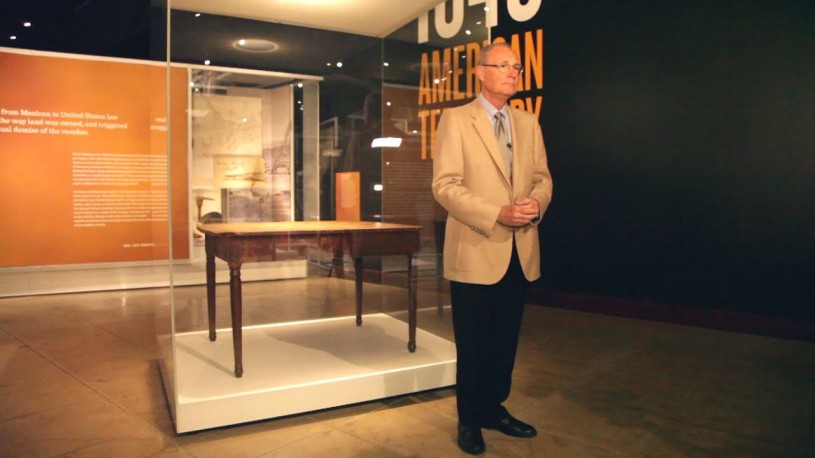
In December 2012, we’ll open Becoming Los Angeles. The new 14,000-square-foot exhibit will offer a unique take on Los Angeles’ stories — how land and people interacted, and how those interactions affect the city we live in today. Powerful storytelling, contemporary design, exceptional objects, and multi-media will allow visitors to interact with the exhibition, and by extension, contemporary Los Angeles, in real time.
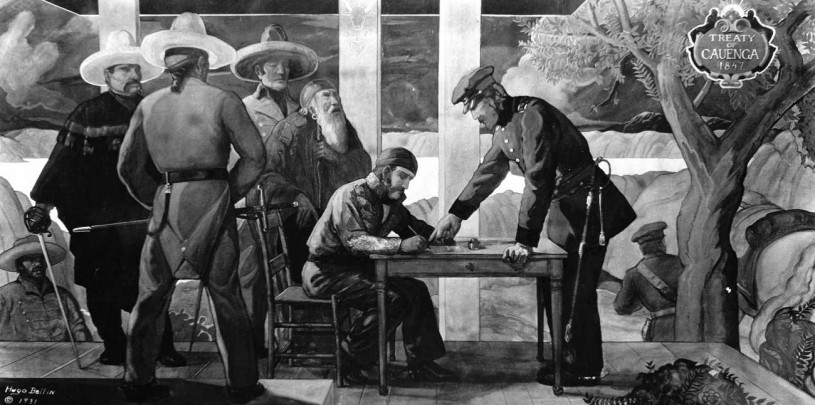
Inside a suite of four galleries in the Museum’s newly-renovated 1913 and 1920s buildings, a visually striking canopy will symbolize the sweep of history and lead visitors through the exhibit’s major sections or historical eras: the pre-Spanish landscape; Mission Era; Mexican Rancho Era; the early years of the American Period; the emergence of a new American city in the late 19th and early 20th centuries; and L.A. as a global city of the 21st century.
This canopy will touch down at four points, triggering the walkthrough experience from once section to the next. Iconic objects at these trigger points include a cross from Mission San Gabriel and an inscribed sword from the Mexican war of independence. Other important objects in the exhibit include a wooden oil well pump from a 1920s Los Angeles city oil field, and Walt Disney’s animation stand that was built in his uncle’s L.A. garage in 1923. (Disney used it to film “Steamboat Willie,” the first cartoon released that featured Mickey Mouse.)
NHM has been collecting Los Angeles history for generations, and will use a wide spectrum of material culture — family heirlooms, everyday housewares, tools, toys, cars, movie- making equipment, and other machines dating back to before the founding of the city in 1781 — creating a visceral experience of Angelenos and their stories. In fact, throughout much of the Museum’s nearly 100-year history, it was the only place pioneering L.A. organizations and families could donate their historic treasures.
A number of extraordinary collections came to NHM from the Chamber of Commerce, for example, and families including the Coronels, Temples, and del Valles. Rare objects, many of them never before displayed in public, will be on view from the Native American, Spanish colonial, Mexican, and early American periods, the emerging motion picture industry, early L.A. city and county government records, automotive and aviation history, and photographs that document the landscapes and communities of Southern California in the 19th and early 20th centuries.
The design and multimedia components of the new exhibition will give visitors the opportunity to get up close to the objects and hear the first-person stories that bore witness to the historic events that have shaped Los Angeles. Some of these stories are well-known, such as how the acquisition of water through the construction of the Los Angeles Aqueduct in 1913 influenced our contemporary suburban sprawl. Other natural and human influences might surprise visitors: how cattle, the Gold Rush, floods, plagues of grasshoppers, railroads, and outlandish booster campaigns all played a part in transforming the region into an agricultural empire.